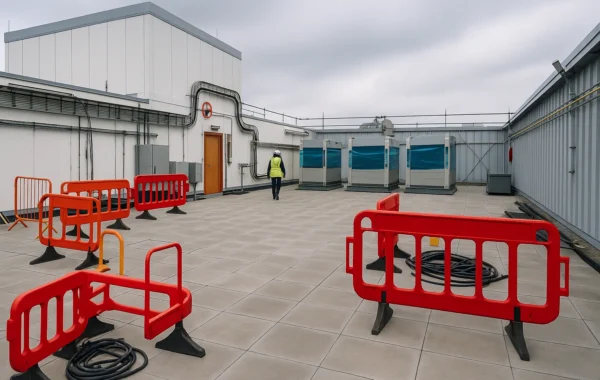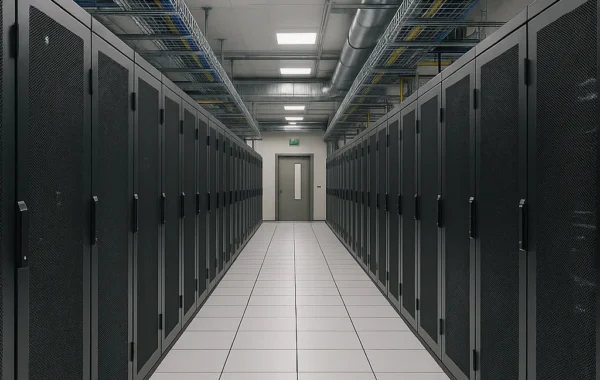


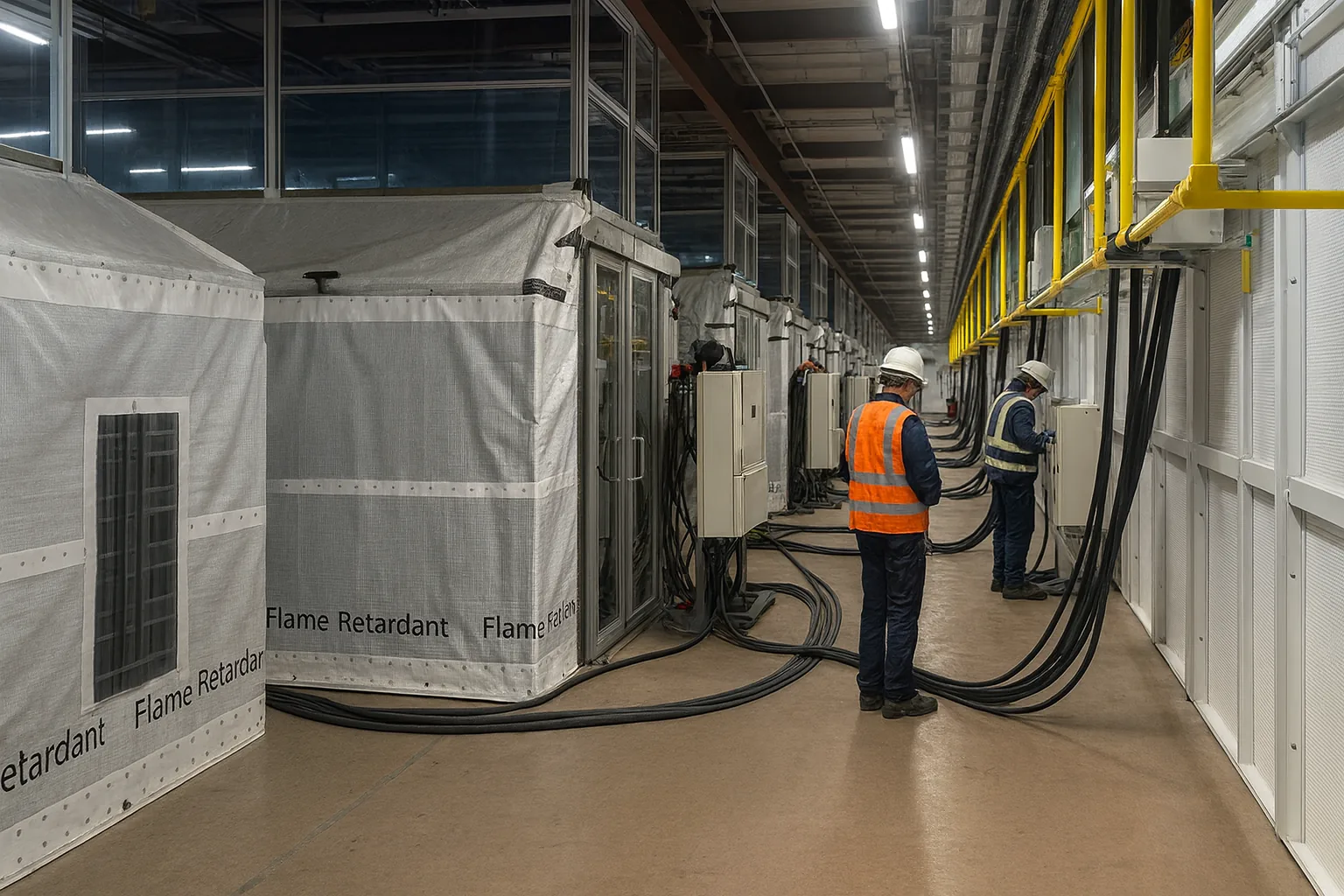

7 min read. For anyone joining a data center project who needs commissioning to make sense fast.
Key takeaways
- The five commissioning levels are a dependency chain, not a checklist: each level needs specific construction and MEP completions before it can start.
- Most IST delays are created at Level 3 and Level 4, where incomplete systems and missing documentation stack up quietly.
- Planning commissioning backwards from IST exposes the real completion dates the construction programme has to hit.
Commissioning has its own language, and on a mission-critical project everyone eventually has to speak it. Here is what the five levels actually mean in practice, what each one depends on, and where programmes typically lose time.
Level 1: Factory witness testing
Major equipment such as generators, UPS systems, switchgear and chillers is tested at the manufacturer before shipping. Level 1 feels remote from site, which is exactly why it gets underweighted in programmes. A failed factory test on long-lead switchgear can move your energization date by months, and the witness visits themselves need booking against a factory schedule you do not control.
Level 2: Site arrival and installation checks
Equipment arrives, is inspected for transit damage, and is verified as installed correctly: anchored, connected, labelled. Level 2 is largely a quality discipline, but it is the first point where site logistics meet the commissioning plan. If the delivery sequence does not match the installation sequence, plant rooms fill up in the wrong order.
Level 3: Pre-functional testing
Individual equipment is started and tested in isolation: motors rotate the right way, valves stroke, panels power up. Level 3 depends on permanent power, or a deliberate temporary power strategy, plus flushed pipework and torqued connections. This is where the commissioning sequence first collides with construction reality, because a pre-functional check on a chiller needs the chilled water system around it to be mechanically complete.
Level 4: Functional performance testing
Systems are tested as systems: the chilled water loop under load, the electrical distribution under transfer, the controls sequence end to end. Level 4 is the quiet killer of IST dates. It needs near-complete systems, signed-off Level 3 records, and functioning controls integration, and it is where every earlier shortcut surfaces at once.
Level 4 is where every earlier shortcut surfaces at once.
Level 5: Integrated systems testing
The whole facility is tested as one machine, usually against load banks: pull the utility, watch the generators take the load, fail a chiller, watch the redundancy respond. IST is the moment the client is really buying. Everything before it exists so that this week goes to plan.
Plan it backwards
The practical use of the levels is not the definitions but the direction of planning. Fix the IST window, then work backwards: which systems need Level 4 complete, which equipment needs Level 3, what does that demand from MEP completion, and what does that demand from construction. Planned this way, commissioning stops being the block at the end of the Gantt chart and becomes what it really is: the spine the rest of the programme hangs from.
Is your commissioning sequence driving your programme?
Liongate provides commissioning consultancy for data center projects, from sequence planning to IST alignment. Get in touch.