


5 min read. For BIM managers, planners and construction leads tired of clash-free models that still cause rework.
Key takeaways
- A clash-free model proves things fit in space. Only 4D proves they fit in time.
- The highest-value 4D use cases in data centers are plant room installation order, ceiling closure timing and commissioning access.
- 4D is a planning conversation tool, not an animation. If it is not changing the sequence, it is decoration.
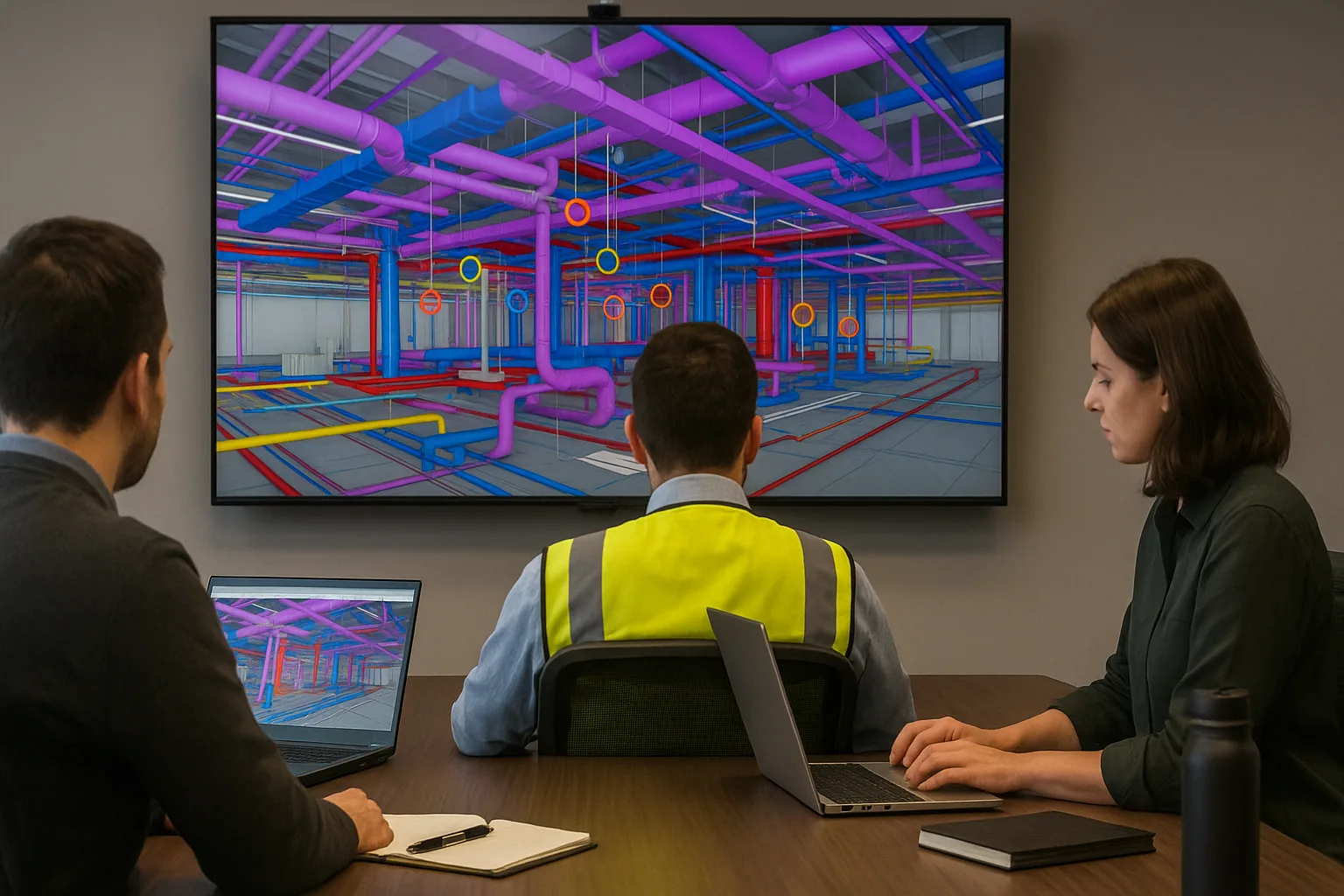
On most data center projects two impressive artefacts exist side by side: a federated model, coordinated in Navisworks and formally clash-free, and a logic-linked master programme in P6. What usually does not exist is any connection between them. The model knows where everything goes. The programme knows when everything happens. Nobody has asked whether the two agree.
What 4D actually adds
4D sequencing links model elements to programme activities so the build can be played through time. The point is not the video. The point is the questions the video forces: can the chiller physically reach its plinth after that wall is up? Does the busbar route stay accessible when the ceiling closes? Which corridor is the generator sneaking through, and in which week? These are exactly the questions that otherwise get answered on site, expensively, by the first person to discover the problem.
Where it earns its keep on a data center
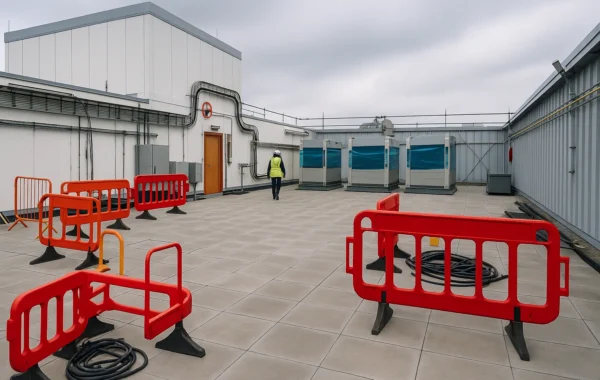
- Plant room installation order. Dense MEP spaces where the second-fix sequence determines whether the fourth trade can physically get in.
- Ceiling and riser closure. The single most common rework driver: closing up before every service above is tested and signed off.
- Heavy plant logistics. Generator and transformer deliveries against crane availability and slab completions.
- Commissioning access. Keeping test access to equipment that the finishing trades want to build around.
A clash-free model proves things fit in space. Only 4D proves they fit in time.
Keeping it honest
The failure mode of 4D is the showreel: a beautiful sequence animation produced once for a client presentation and never updated. Useful 4D is rougher and more frequent. It links the model to the live programme, gets replayed when the sequence changes, and sits in the weekly planning conversation next to the lookahead. The test is simple: has the 4D model changed a sequencing decision this month? If not, it has become decoration.
Model and programme not talking to each other?
Liongate provides BIM coordination with 4D sequencing that connects the federated model to the delivery programme. Get in touch.